Based on particle control technology, one of our core technologies, we carry out the whole process of nanoparticle development—from the synthesis to the dispersion—in-house. By specializing in particle sizes from single nanometers to several tens of nanometers and applying unique surface treatments that optimize particle characteristics, we have achieved the development of high-performance nano-dispersions tailored to specific purposes. We can meet advanced needs in material design and coating processes.
Special features
- Complete production from synthesis to dispersion
- Specialized particle sizes from single nanometers to several tens of nanometers
- Unique surface treatment technologies allow the application of functions without sacrificing particle characteristics
Application examples
- High refractive index materials (zirconia, barium titanate)
- Low refractive index materials (magnesium fluoride)
- High dielectric constant materials (barium titanate)
- Heat dissipation materials (magnesia)
Product lineup
Zirconia / ZrO2
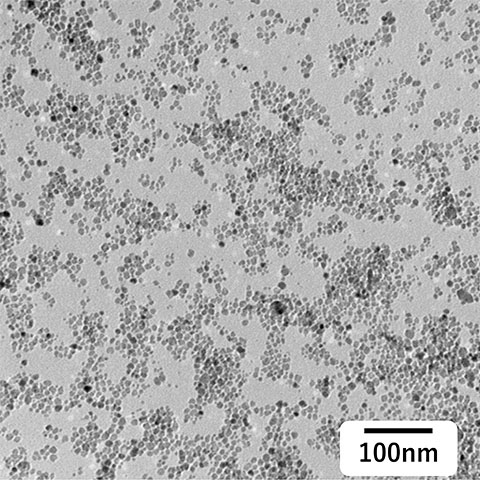
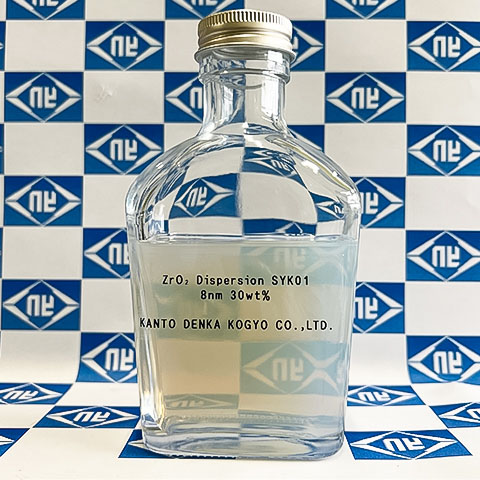
| Powder properties | |
|---|---|
| Particle size (nm) | 8 |
| Particle shape | Spherical |
| Specific surface area (m2/g) | 145 |
| Dispersion liquid properties | |
| Particle concentration (wt%) | 30 |
| Dispersion media | MEK, etc. |
| Features | |
|
High refractive index and high hardness Refractive index of up to 1.7 is possible when mixed into resin High transparency (suitable for thick films) High dispersion stability (e.g.: more than 2 years at 40°C) Compatible with nanoimprint and inkjet processes |
|
Barium titanete / BaTiO3
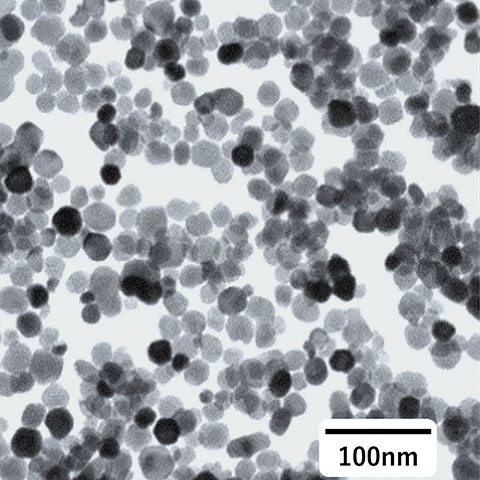
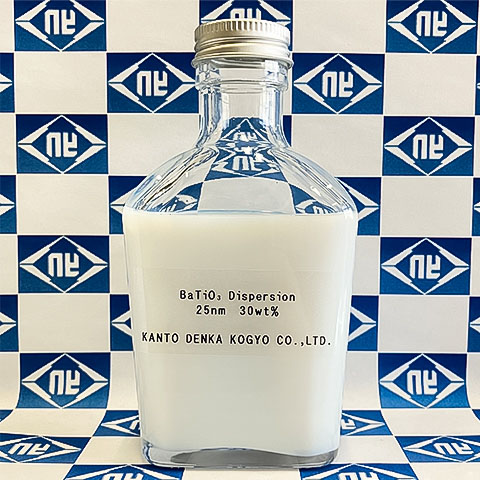
| Powder properties | |
|---|---|
| Particle size (nm) | 25 |
| Particle shape | Spherical |
| Specific surface area (m2/g) | 50 |
| Dispersion liquid properties | |
| Particle concentration (wt%) | 30 |
| Dispersion media | MEK, etc. |
| Features | |
|
High refractive index and high light resistance Refractive index of up to 1.9 is possible when mixed into resin High transparency and high dispersion stability TiO2 alternatives Compatible with nanoimprint and inkjet processes |
|
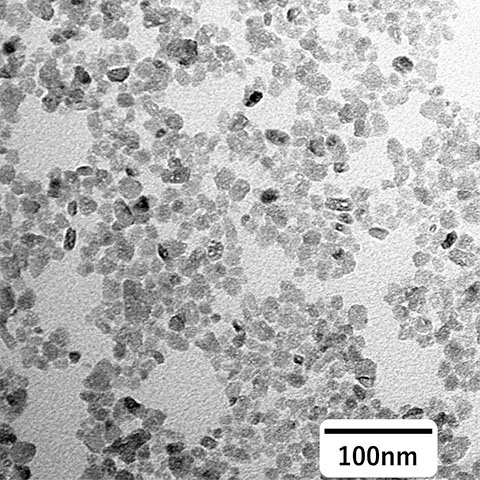
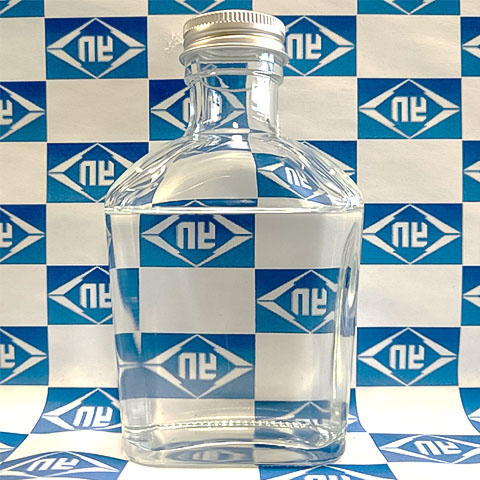
Magnesium fluoride / MgF2
| Powder properties | |
|---|---|
| Particle size (nm) | 20 |
| Particle shape | Amorphous |
| Specific surface area (m2/g) | 140 |
| Dispersion liquid properties | |
| Particle concentration (wt%) | 10 |
| Dispersion media | PGME, etc. |
| Features | |
|
Low refractive index and low dielectric constant Refractive index of up to 1.4 is possible when mixed into resin High transparency and high dispersion stability PFAS alternatives |
|
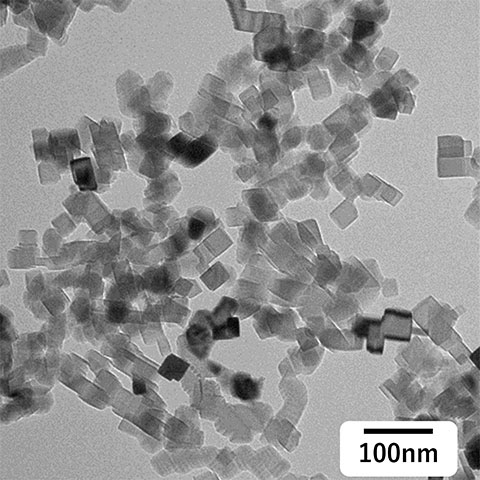
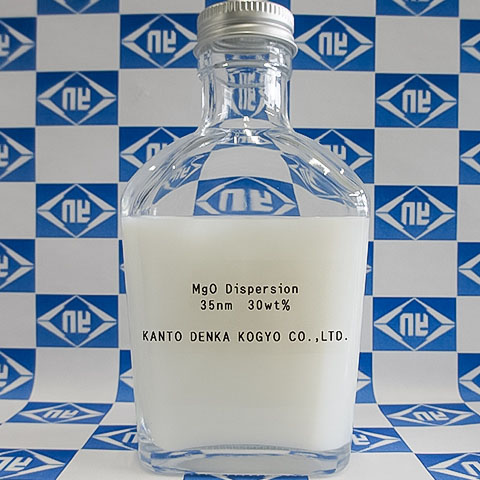
Magnesia / MgO
| Powder properties | |
|---|---|
| Particle size (nm) | 35 |
| Particle shape | Cube |
| Specific surface area (m2/g) | 55 |
| Dispersion liquid properties | |
| Particle concentration (wt%) | 30 |
| Dispersion media | MEK, etc. |
| Features | |
|
Heat dissipation and moisture absorption Supports thermal conduction paths as a sub-filler High dispersion stability Homogeneous mixing via dispersion liquid process enables efficient thermal conduction path formation |
|
Figures are for reference only
For samples, please contact us using the inquiry form.